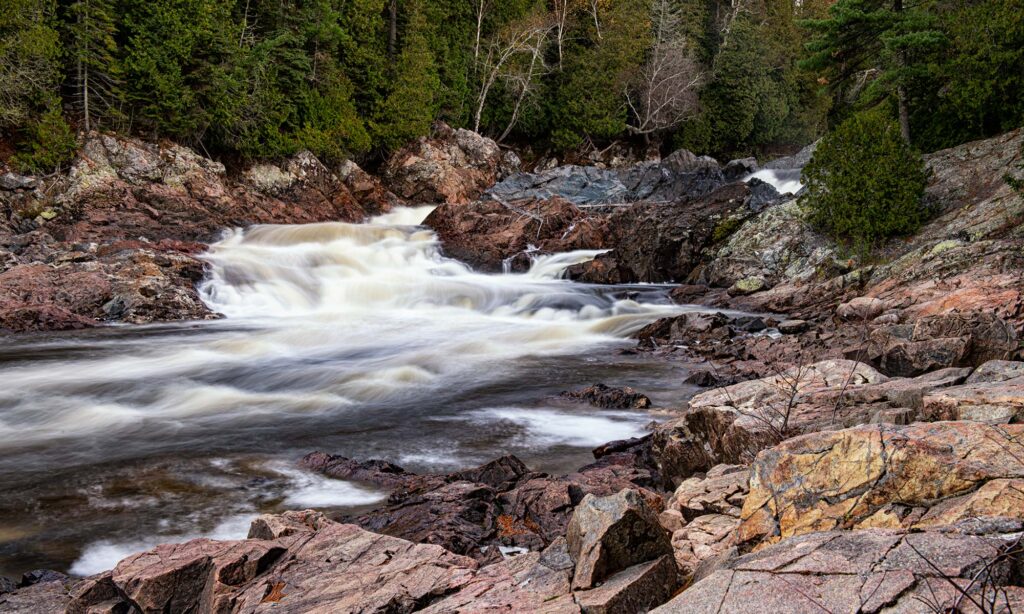
Hidden Histories and Fun Facts About a National Historic Site
The Sault Ste. Marie Canal National Historic Site is located on the edge of the rapids in the city of Sault Ste. Marie, Ontario. The canal itself is a man-made waterway that passes between the city and Whitefish Island, joining Lake Huron and Lake Superior in the Great Lakes shipping channel.
The Sault Ste. Marie Canal was completed in 1895, designed and built by Canadians, incorporating several engineering innovations during that time. Although the Canal officially closed to commercial shipping in 1987, it was later equipped with a modern lock for recreational use in 1998. The original historic buildings, antique machinery and Emergency Swing Dam are still intact and can be viewed today.
In 2020, the Canal celebrated 125 years. There are many known facts about the Canal; however, there are some that even the locals may not know about.
Here is a list of 8 things we bet you didn’t know about the Sault Ste. Marie Canal National Historic Site:
1. The canal was the first of its kind when it was built.
An achievement for our city! Upon completion in 1895, the Canal was the world’s longest, measuring 1.6 km (1 mi) long, with the lock portion of the canal measuring 274 metres (899 ft) long and 18 metres (59 ft) wide.
Additionally, the Canal was the first in the world to operate with electrical power. The electricity was generated in the Powerhouse adjacent to the lower end of the lock to operate the gates and valves that control the flow of water into and out of the locks.
The Sault Ste. Marie Canal also used the innovative technique of an Emergency Swing Dam to protect the locks in case of an accident, which brings us to the next fact you may not have known.
2. The last remaining Emergency Swing Dam in the world.
One of the most unique features of the locks is the Emergency Swing Dam located on the north side of the upper entrance to the Canal. The swing dam is designed to reduce the flow of water in the event of an accident or gate failure.
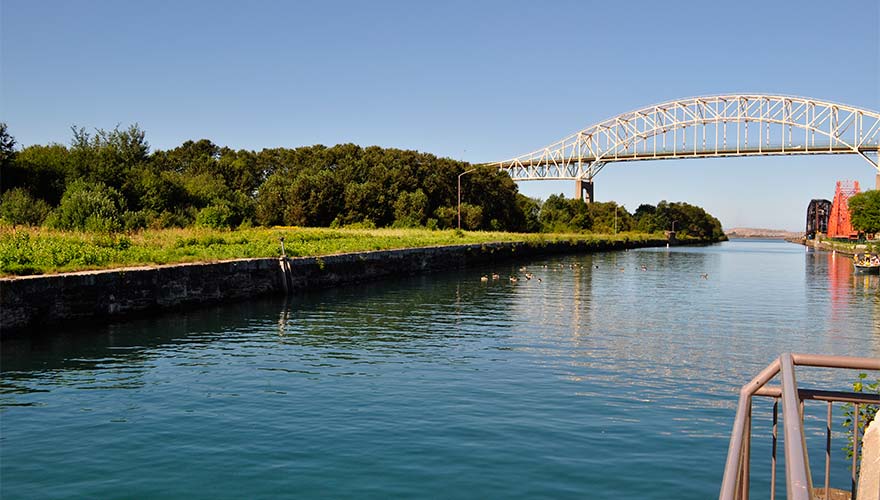
Thankfully, the Canal was equipped with this countermeasure. On June 9th, 1909, the locks were severely damaged when the Perry G. Walker crashed into the south main gate. The crisis was averted with the activation of the Emergency Swing Dam. This not only prevented any further damage or disaster but also allowed for swift repairs. Fortunately, there was no loss of life during the incident and the Canal was repaired and back in service within 2 weeks.
3. The Queen and the Duke of Edinburgh have visited the Sault Ste. Marie Canal.
That’s right! We’ve not only had Royalty visit the Canal, but Queen Elizabeth II and Prince Philip actually went through the Canal on the Royal Yacht HMY Britannia on July 8th, 1959.
In 1959, Queen Elizabeth II and Prince Philip took a 45-day, cross-country tour through Canada to visit all 10 provinces. This also included the then 2 territories and the 4 Great Lakes. In part was also to celebrate the inauguration of the St. Lawrence Seaway.
Additionally, the Queen’s visit to Sault Ste. Marie marked the official opening of the city as an ocean port. While visiting, the Queen took part in a parade throughout the city as well as a visit to Algoma Steel. However, this was not the first time we had Royalty visit our fair city. In 1919, the Prince of Wales, who later became Edward VIII, toured and crossed the country by rail, making a stop in Sault Ste. Marie also visited the Canal.
4. It was the final link system to connect the St. Lawrence Seaway.
The mighty 3,700 km St. Lawrence Seaway is an extremely important part of the Great Lakes shipping industry. Not only does the Seaway allow for ease of shipment throughout Canada, but it has also had a major economic impact on both Canada and the United States.
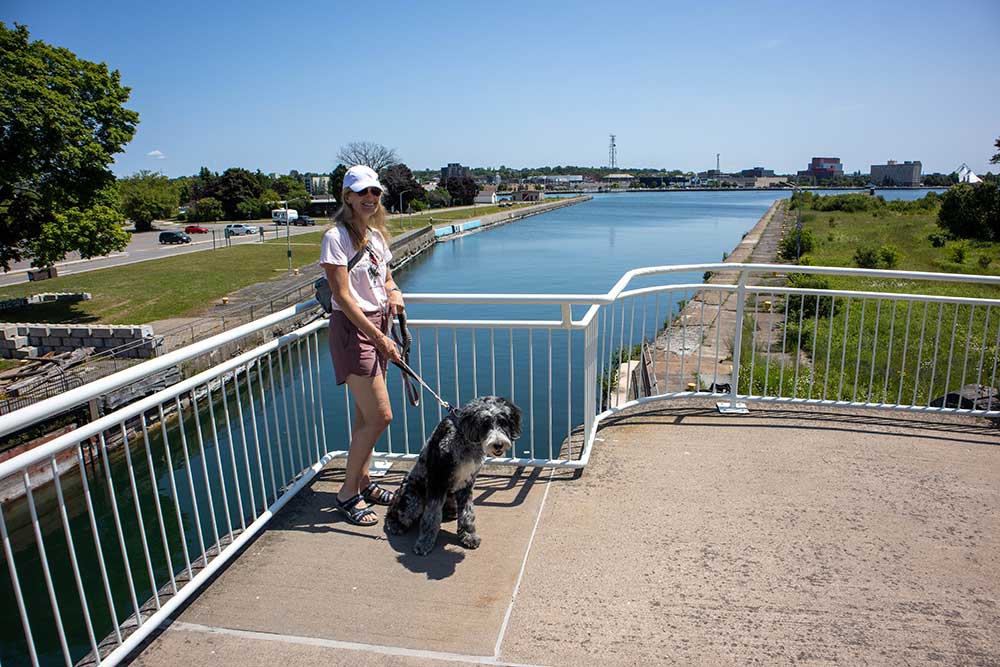
Once completed in 1895, the Sault Ste. Marie Canal was the last connection to link the St. Lawrence River to Lake Superior. Today, the St. Lawrence Seaway is very active with over 2,000 pleasure crafts passing through the Seaway each season and with more than 2.5 billion tonnes of cargo that have moved to and from Canada, the United States, and nearly fifty other nations since 1959.
5. The Superintendent’s house was still occupied until the 1980s.
Among the historical buildings located at the Sault Ste. Marie Canal National Historic Site is the two-and-a-half-story Superintendent’s House. Built in 1896 using the very sandstone excavated from the Canal Site and St. Marys River.
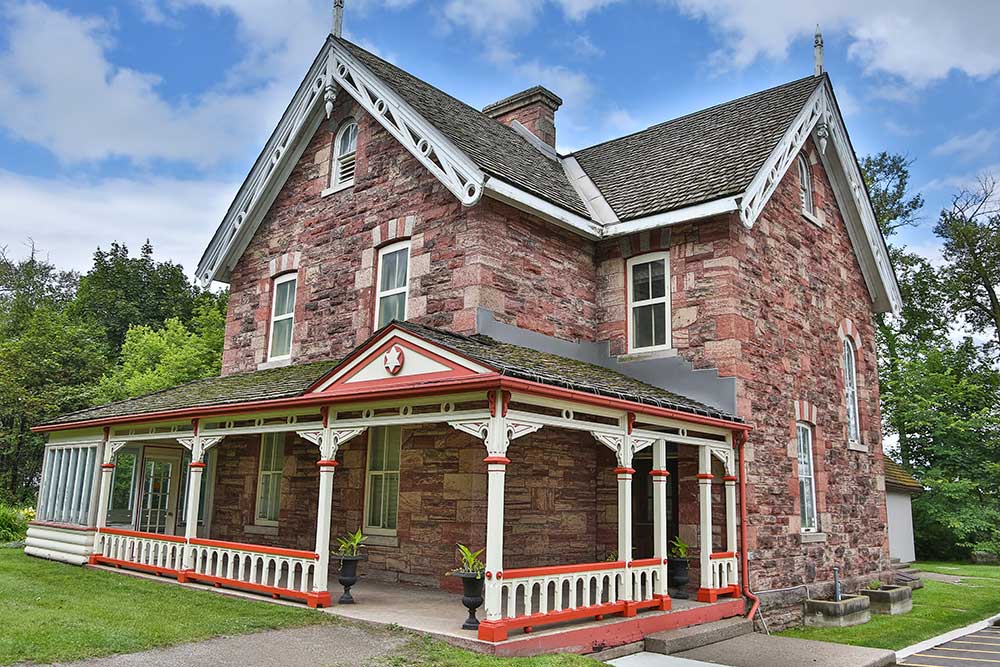
The house was specifically built for the Canal’s Superintendent and their families. The Superintendent of the Canal was responsible for the management of the mechanics of the locks as the main on-site engineer. Believe it or not, the building was occupied by an on-site engineer from the late 1890s all the way until the 1980s!
Today, the Superintendent’s House still stands, displaying its beautiful craftsmanship.
6. The walking/hiking trails on Whitefish Island are only accessible by crossing the lock gate bridge.
Formed more than 2,000 years ago, Whitefish Island was originally an Indigenous settlement due to its convenient location and abundant food source of whitefish. Whitefish Island was returned to the Batchewana Band in 1998 and is under their care and stewardship.
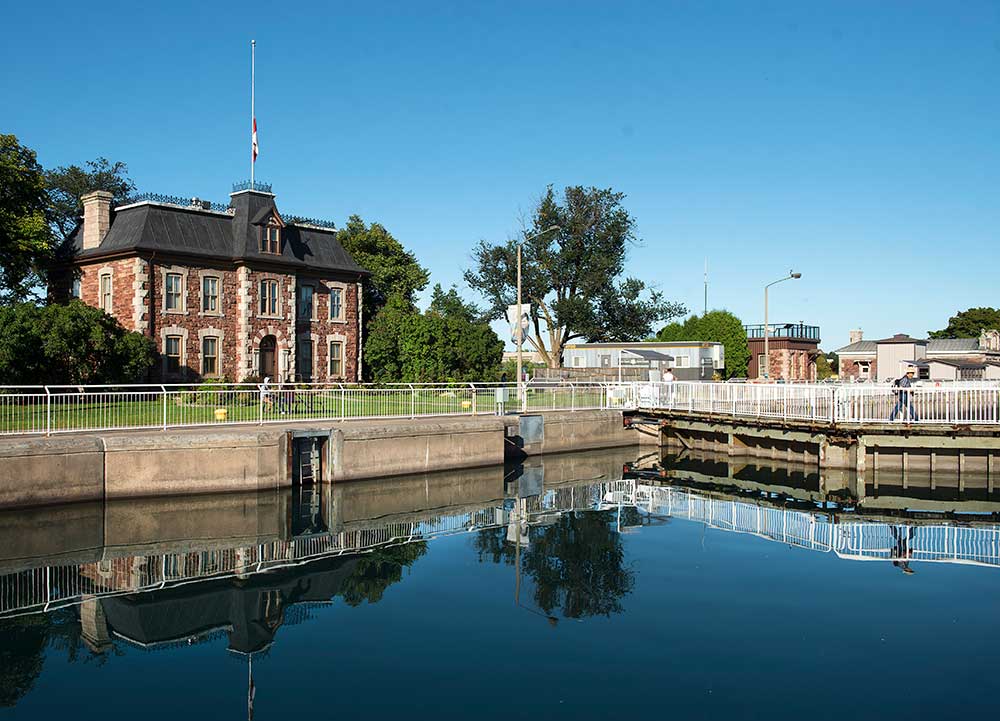
Today, the island is full of beautiful nature trails with breathtaking lookouts of rapids and wildlife. To access the island and enter the trail system, you will have to cross over the Locks Gate Bridge. If you’re lucky, you may be there in time to watch a pleasure craft actually pass through the canal and lock gates. However, during this time, the Lock Gate Bridge will be inaccessible, but in a short moment, after the boat passes through, the bridge will again become accessible to cross.
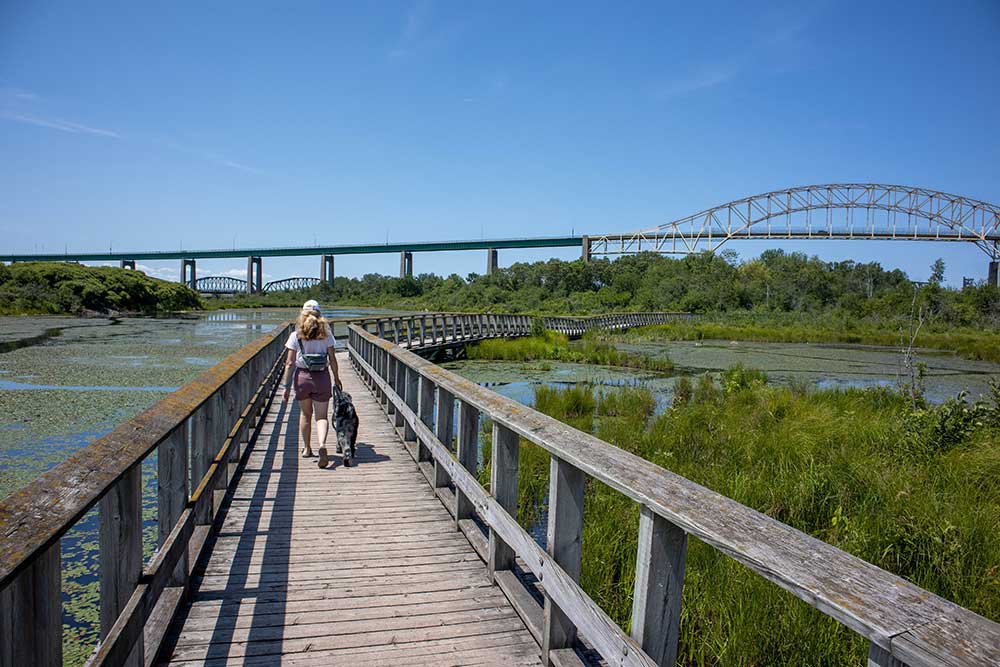
The island boasts a rich history and is a local favourite for summer and spring hikes.
7. The Sault Ste. Marie Canal National Historic Site offers fat bike rentals!
Want to cruise and view the Sault Ste. Marie Canal National Historic Site in style? Well, now you can with the addition of Fat Bike Rentals at the Sault Canal!
What better way to explore the 2.2 km of trails available on South St. Marys Island? Rentals are available for only $10.00/hour and include a helmet and bike lock. Enjoy the beautiful landscape as you pass through scenic forest trails and even ride under the International Bridge!
For more information on things to do at the Canal Site. Please click here.
8. These historic grounds and the Superintendent’s House can be rented for special events.
Not only is this wonderful historic building and property full of rich history and memories, but you can also use the property to create memories of your own!
The Sault Ste. Marie Canal National Historic Site is available to the public to be booked for special events, including Weddings and Engagement Photos. Nothing is more romantic than the picturesque and scenic landscape that includes The Superintendent’s House West and Front Garden, The Administration Building, The Canal or a panoramic view of the Sault Ste. Marie waterfront and St. Marys River.
- Interested in booking this site for your special day? Please click here.
For more information and reading about the Sault Ste. Marie Canal National Historic Site: click here

Tags
About the Author

As a member of the Algoma Country staff, I enjoy hiking and the great outdoors. I hope my blogs and stories encourage you to explore and plan your next vacation to the Algoma region.