Gear, Techniques and Tips from the So Fly Crew
Stillwater trout fishing on the fly can be a really fun way to target some of Ontario’s native char species like lake trout and brook trout. But. It can also be daunting for fly anglers. Lakes can be harder to read than rivers, and fly selection can be tougher when you can’t rely on visual cues like hatches. But relax. You can succeed!
Equipment
Fly line. Even in fly-fishing circles, it’s sometimes not fully understood just how well you can achieve depth while fly fishing. Arguably this might be the most important part of the stillwater trout setup. Trout can be found at different depths throughout the season and even throughout the course of a day. Being able to prospect different depths is essential to success. Having a variety of fly lines with different sink rates, if possible, is key.
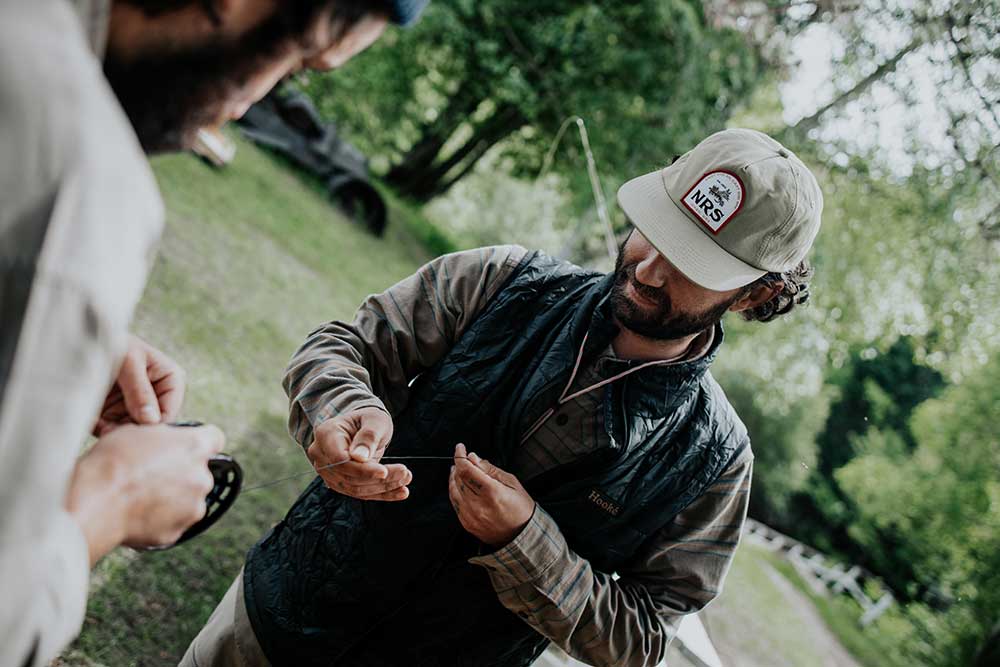
Sinking fly lines have come a long way in terms of their castability over the years, really making them easier to use. Typically, lines will be rated by their sink rate. Then, depending on the brand, they’ll name their lines by the sink rate. A line that sinks at 3 inches per second may be called a type 3, a di-3, and so on and so forth. The important thing to note, no matter what it’s called, is the rate at which the line sinks. We’ll touch on this more in our techniques section.
Rods. We love ten-foot rods out of the boat and canoe. They tend to detect strikes more easily due to a sensitive tip section, can help in casting longer leaders, and make landing fish easier. We use ten-foot 6-weight and 7-weight rods mostly. Also, these days, a variety of brands make stillwater-specific rods designed for this task. So if you plan on doing stillwater trout a lot, or discover you really like it, it might be worth picking up a lake rod.
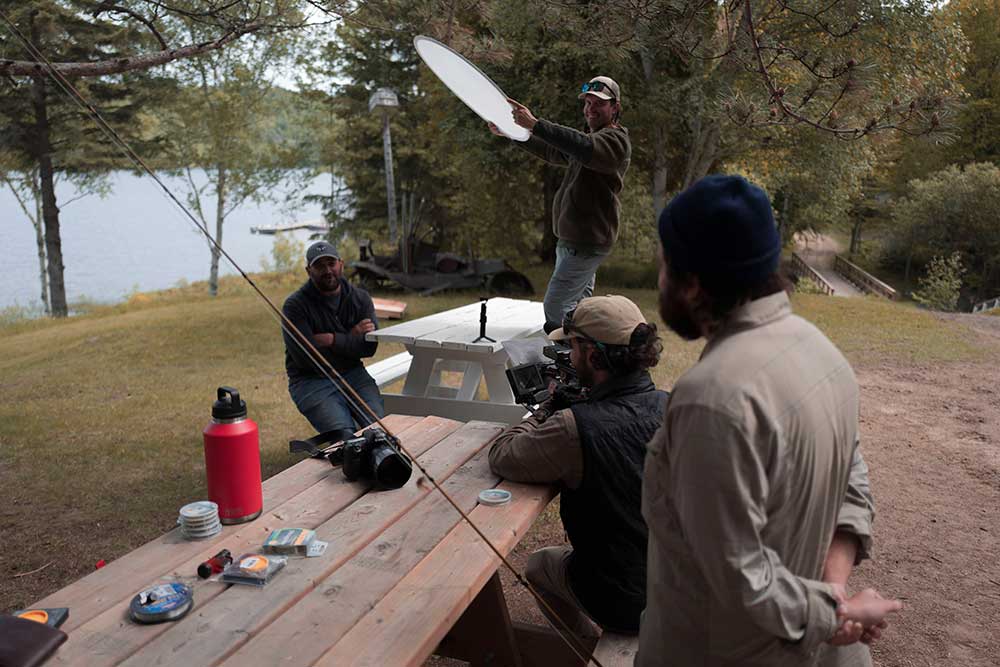
Reels. Much like rods, rod & reel manufacturers have started to make lake-specific reels. Mainly, these are cassette reels. Most reels, you can buy a spare spool if you want to keep a different line handy to swap for it. But with cassette reels, you only need to purchase the reel that typically comes with 3 cassettes. You can spool the cassettes with different lines and swap the cassettes like cartridges into the reel. Again, this is equipment for someone who really gets into fishing stillwater.
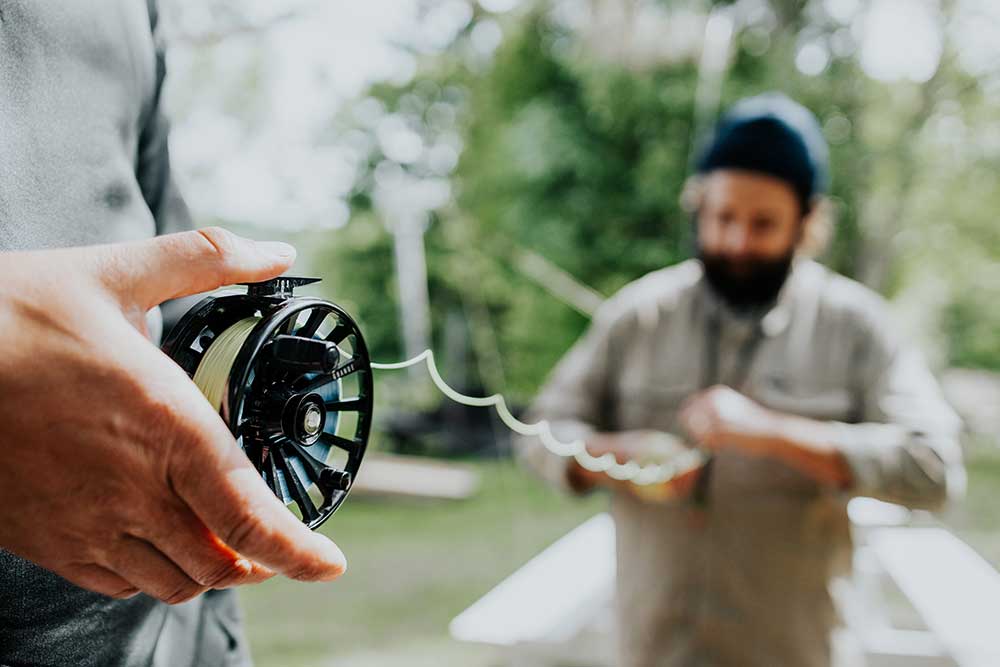
For the average Ontario trout angler that might only have one setup, we’d recommend a 7-weight rod, ten feet if possible, a sinking line anywhere between 3-5 inches per second, and a decent large arbour reel with a good drag.
Technique
Trolling. Although typically not the most active way of fishing, you can cover a lot of water, especially on a new piece of water. You can troll from a variety of watercraft, and if you have a boat partner, try different flies and sink rates. Bonus if you have electronics that can help you understand the topography of the lake. Think of it as data collection. If you start picking up fish in a consistent manner, you know you’ve found structure or a pod of active fish, and you can note where you are on the lake; you can come back to that spot as a like area to expect to catch fish.
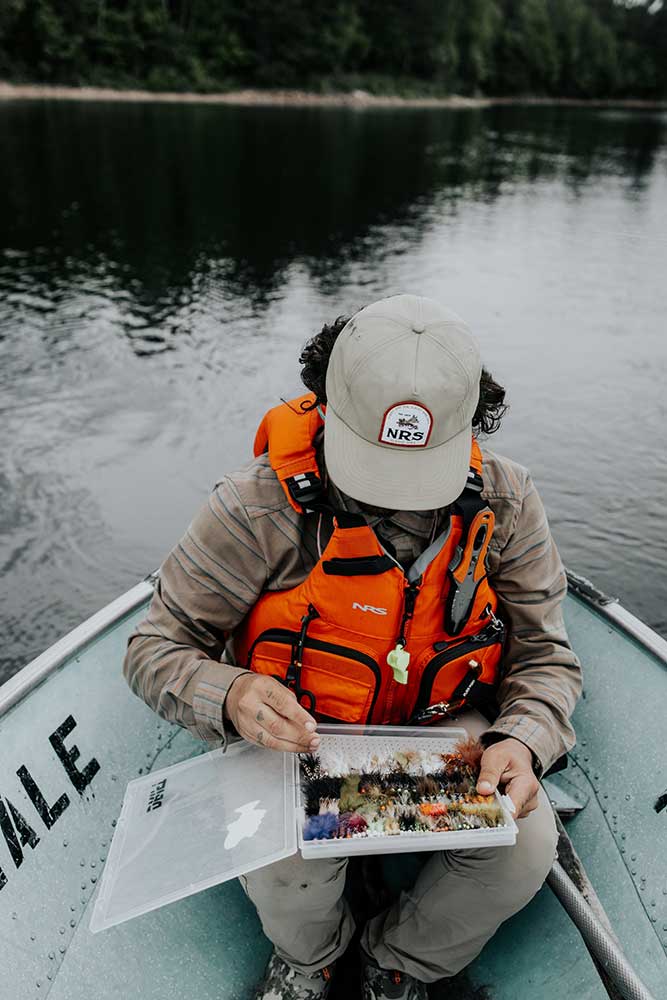
Cast, count, strip, repeat. Remember those sink rates? Well, here’s where they’ll come in handy. Trout will feed on insects, forage, and bait at different depths and finding the depth that those fish are hanging out in is key. Whether the boat is anchored or drifting with the wind, you can pick apart depths to find fish, and this technique can be really effective. Cast the amount of line you’re comfortable with casting, say, 40-50 feet, then start counting. If you have a line that sinks at a rate of 3 inches per second, you can assume that every 4 seconds you’ll be another foot down. Then, start your retrieve. If and when you start picking up fish after counting down to a certain depth, you now know the depth the fish are hanging out at, and you can start dialling in what they’re eating. Trying different flies, etc.
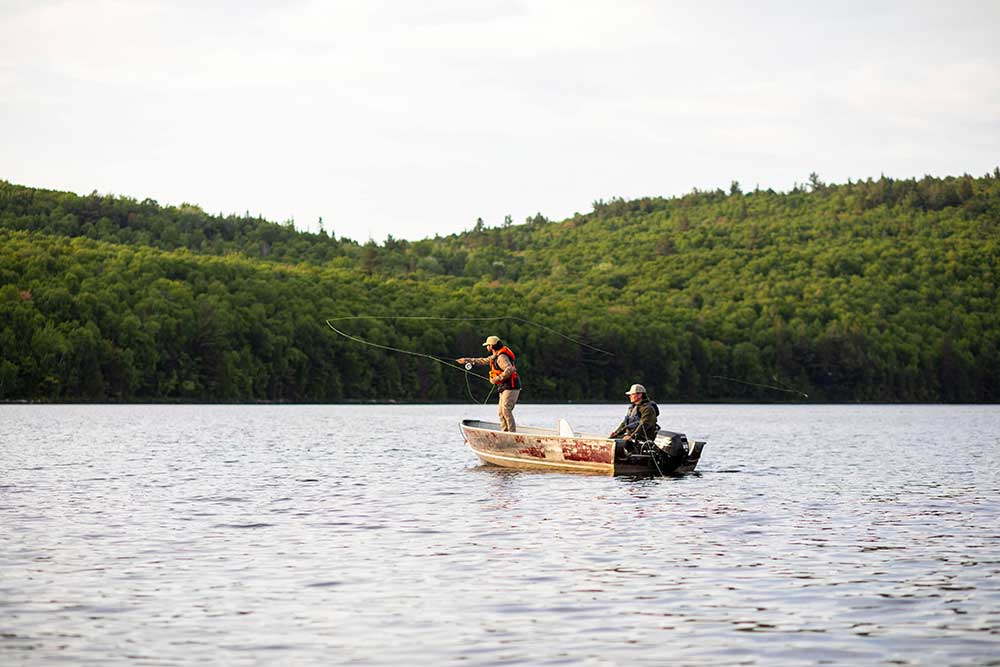
Indicator. Sometimes suspending flies in the water column is the ticket to success. This technique is a lot like those early days fishing with a worm and a bobber. Trout in lakes still love to eat nymphs like their river-bound cousins. They’ll be eating damselfly, midge, and mayfly nymphs that travel up the water column to hatch. This technique can be really effective, especially when wind-drifting a lake. The downside is your leader will need to be quite long and can make for awkward casting. A slip indicator can be great for this reason. Essentially, the setup is a floating fly line, a 15+ foot leader, an indicator set at the depth of your choosing, and 2 flies; we’d recommend a larger fly like a damsel nymph as your point fly and then something really small like a Chironomid for the dropper.
Flies
Streamers. Streamers are probably going to be your go-to when fishing lakes. A variety of leech patterns like Vampire leeches, thin mints, deer hair sculpin patterns, and even old standbys like the woolly bugger and muddler minnow. Colours will depend on the lake forage, but sticking to natural colours like olives, browns, and black is usually a safe bet. In recent years, the prevalence of “balanced” patterns like a balanced leech has become quite popular, especially when you’re fishing under indicators.
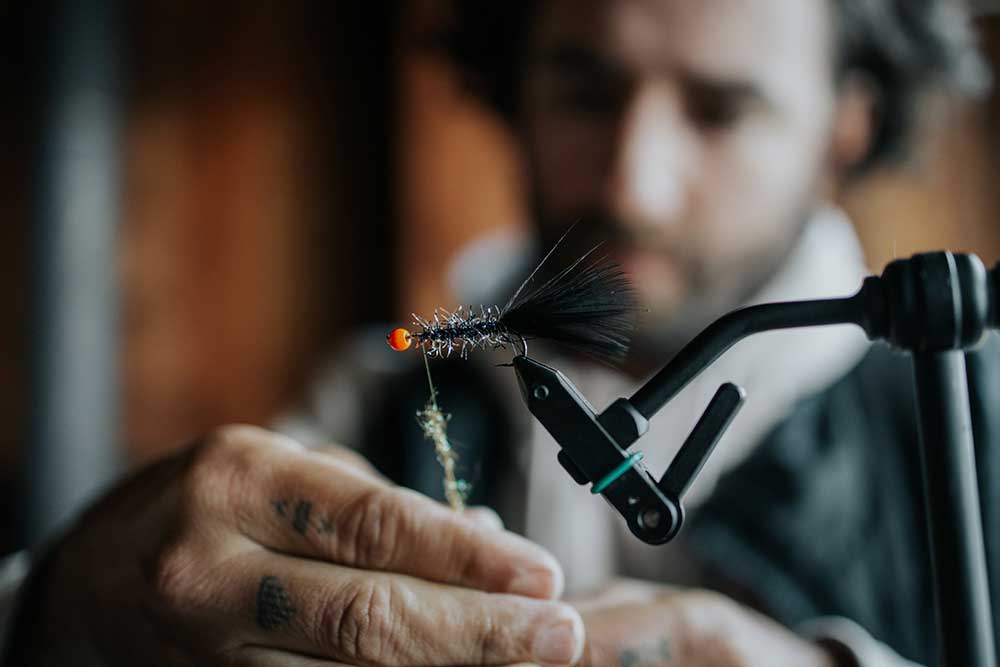
Nymphs. Much has been written about the Chironomid and for good reason. This nymph is the larval stage of the midge, which exists in most, if not all, stillwater systems. Trout key in on these small nymphs throughout the year. Damsel and dragonfly fly nymphs are great to have, as these represent a much larger meal for fish. Lastly, scuds and freshwater shrimp patterns should also find their way into your selection.
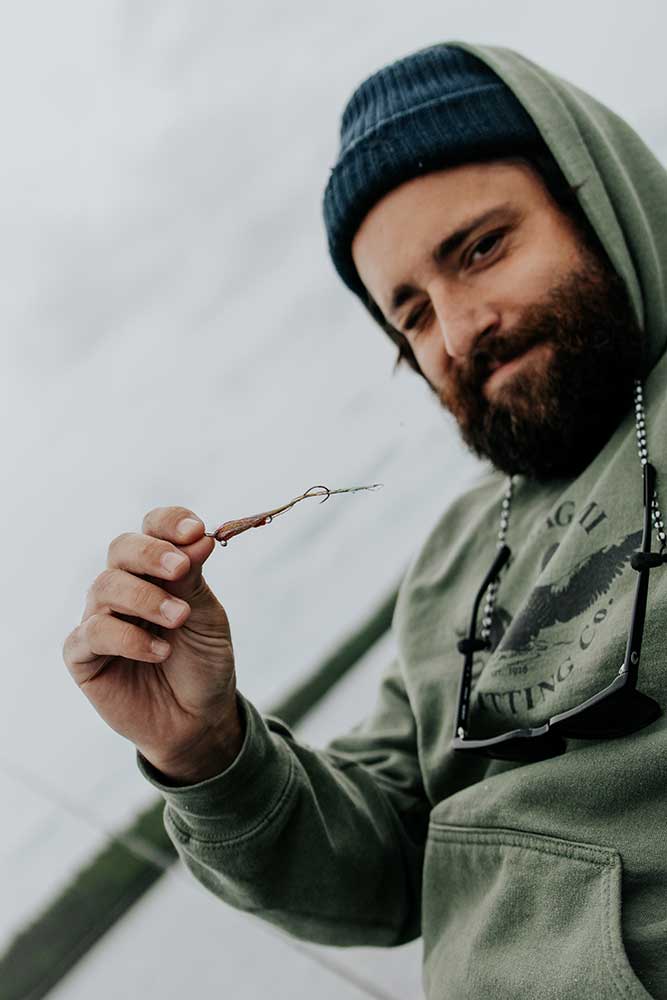
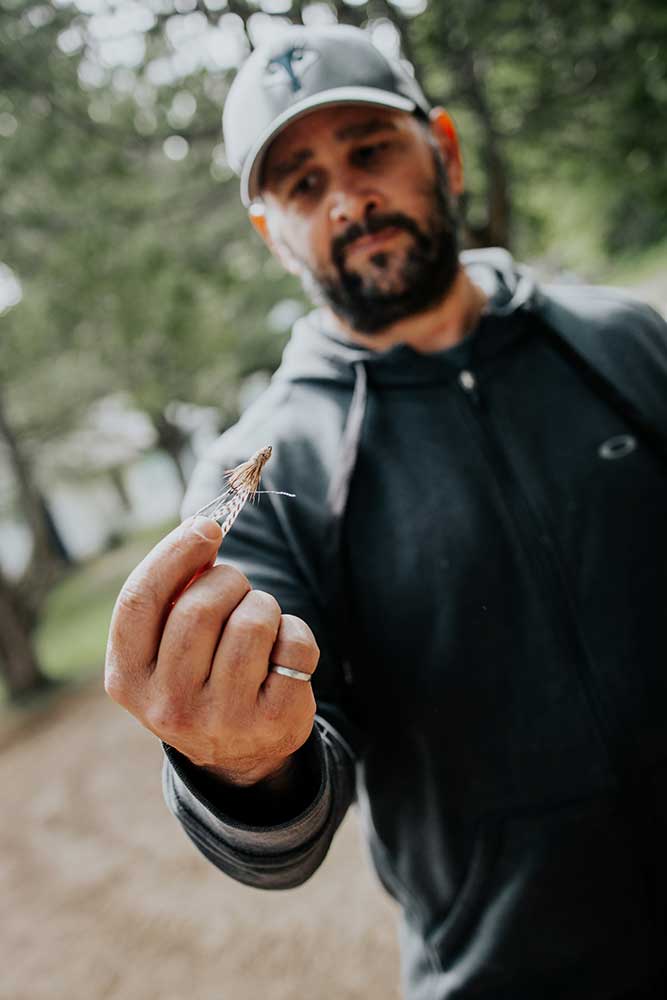
Dry flies. Although probably the least used, it’s still possible to catch fish off the surface in a lake. We’d recommend having sparsely tied patterns or emerger-style flies that sit in the film of the surface. Parachute-style dry flies can be great for this reason.
Whether trolling, stripping, or fishing under an indicator, fishing for trout in lakes can be really fun. You can fish from a variety of watercraft like john boats, float tubes, canoes, and tinnies. Lakes can typically produce a larger average size of trout, and who can argue with spending a day on the lake with some friends? And although it might seem daunting, if you methodically work the water with a plan, you’ll soon find success.
Tags
About the Author

We're a fly fishing podcast here to tell your stories. Our goal is to connect the Ontario fly fishing community one episode, video, and event at a time.